Emerging Market Opportunities: What Should You Check Beyond Growth News?
Follow the evidence from a promising announcement to the conditions for delivery and lasting service.
Edward Kim | BuildNextSphere
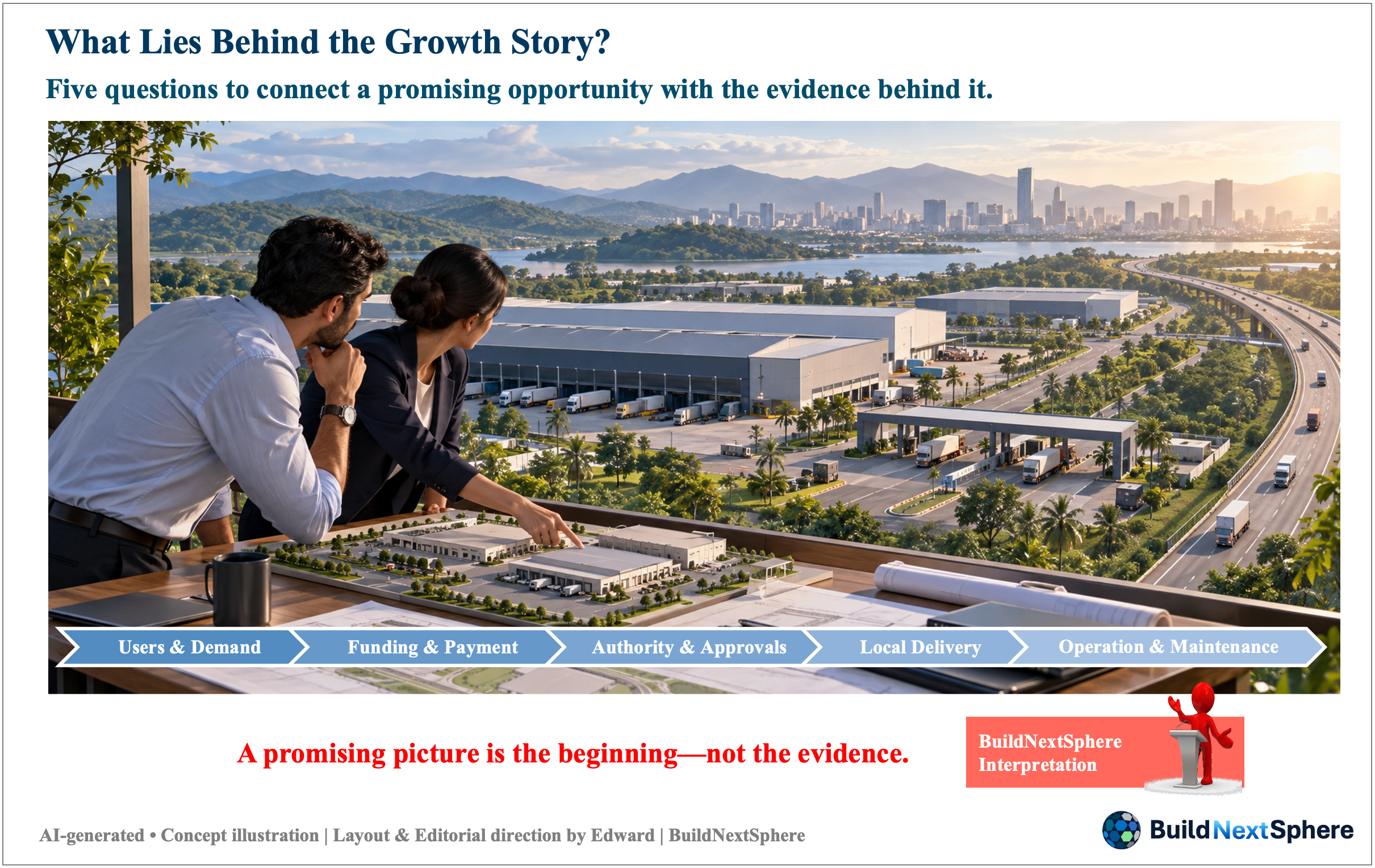
Figure 1. What Lies Behind the Growth Story?
Source: AI-generated concept illustration; layout and editorial direction by Edward Kim | BuildNextSphere.
Note: A hypothetical logistics landscape, not a photograph of a real project. The five linked topics are connected enquiry questions, not sequential stages or approval gates. The scene does not establish demand, secured funding or delivery readiness.
01. Growth headlines do not define a deliverable project
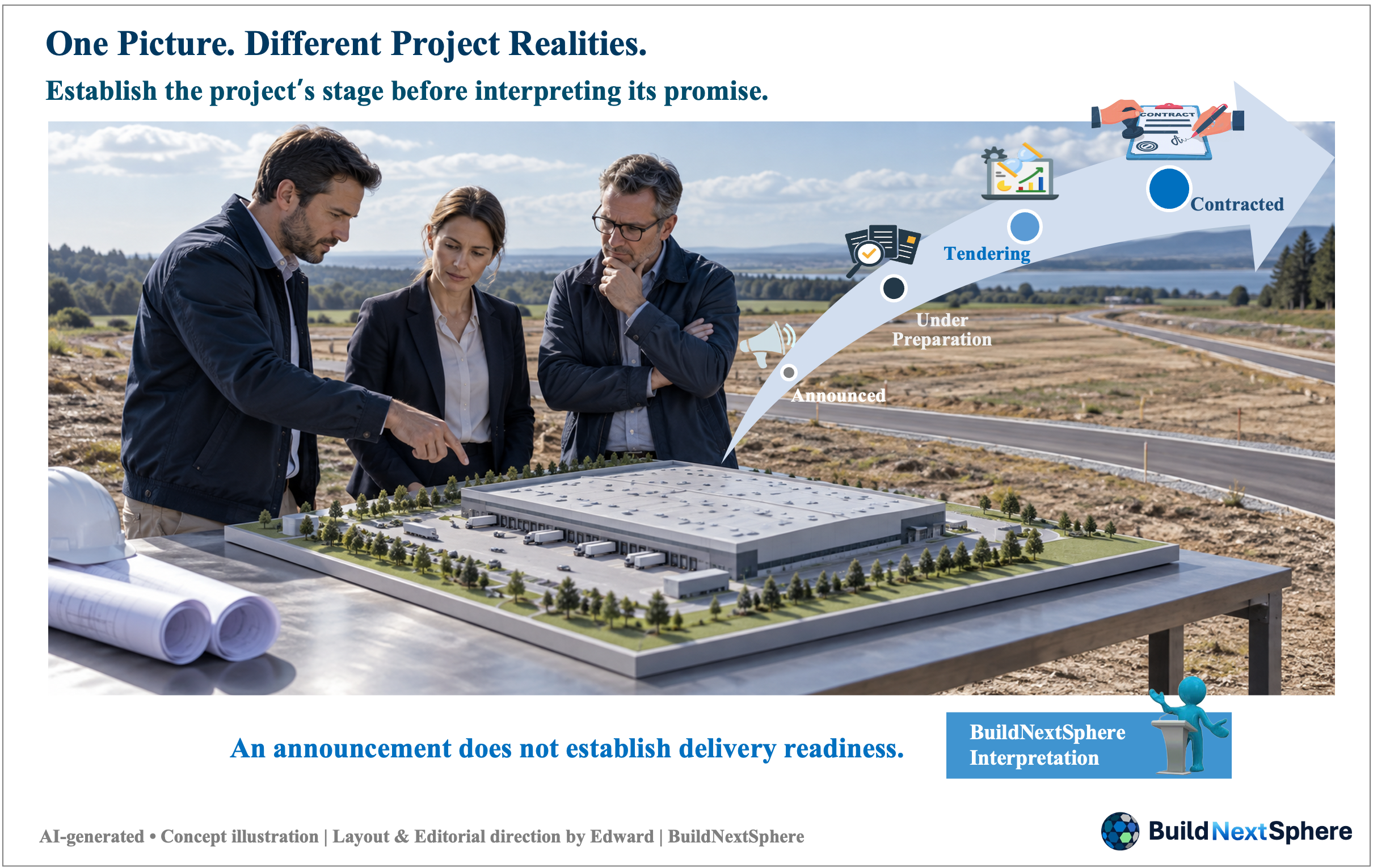
Figure 2. One Picture. Different Project Realities.
Source: AI-generated concept illustration; layout and editorial direction by Edward Kim | BuildNextSphere.
Note: A hypothetical contrast between a proposed logistics-centre model and a site. The arrow shows illustrative project-stage labels, not a mandatory pathway or guaranteed progression. A contracted project may still have unresolved delivery conditions; no actual project status is established here.
A new logistics centre, a highway connection and the promise of jobs can make an emerging-market announcement sound compelling. Before treating it as a project opportunity, ask what is actually on offer. Is it an idea seeking partners, a project being prepared, a tender, or a contract approaching delivery? An attractive image can sit beside very different levels of preparation. Imagine an overseas business-development team trying to establish which one it is.
This is a hypothetical example, not a report about a named country or project. A growth headline may justify attention; it does not establish the conditions of a particular opportunity. Nor does an unanswered question prove that a market is unsuitable. It identifies where investigation must continue. The useful shift is from asking how large the announcement is to asking what evidence supports the proposed service.
For an initial emerging-market review, use five questions: who needs the service; how it will be paid for; what authorises delivery; who can deliver locally; and what sustains operation. This article offers an enquiry guide, not a country ranking, investment recommendation or substitute for project appraisal. The questions are connected, not five gates that automatically produce a go/no-go decision.
02. Ask who needs the service and who pays
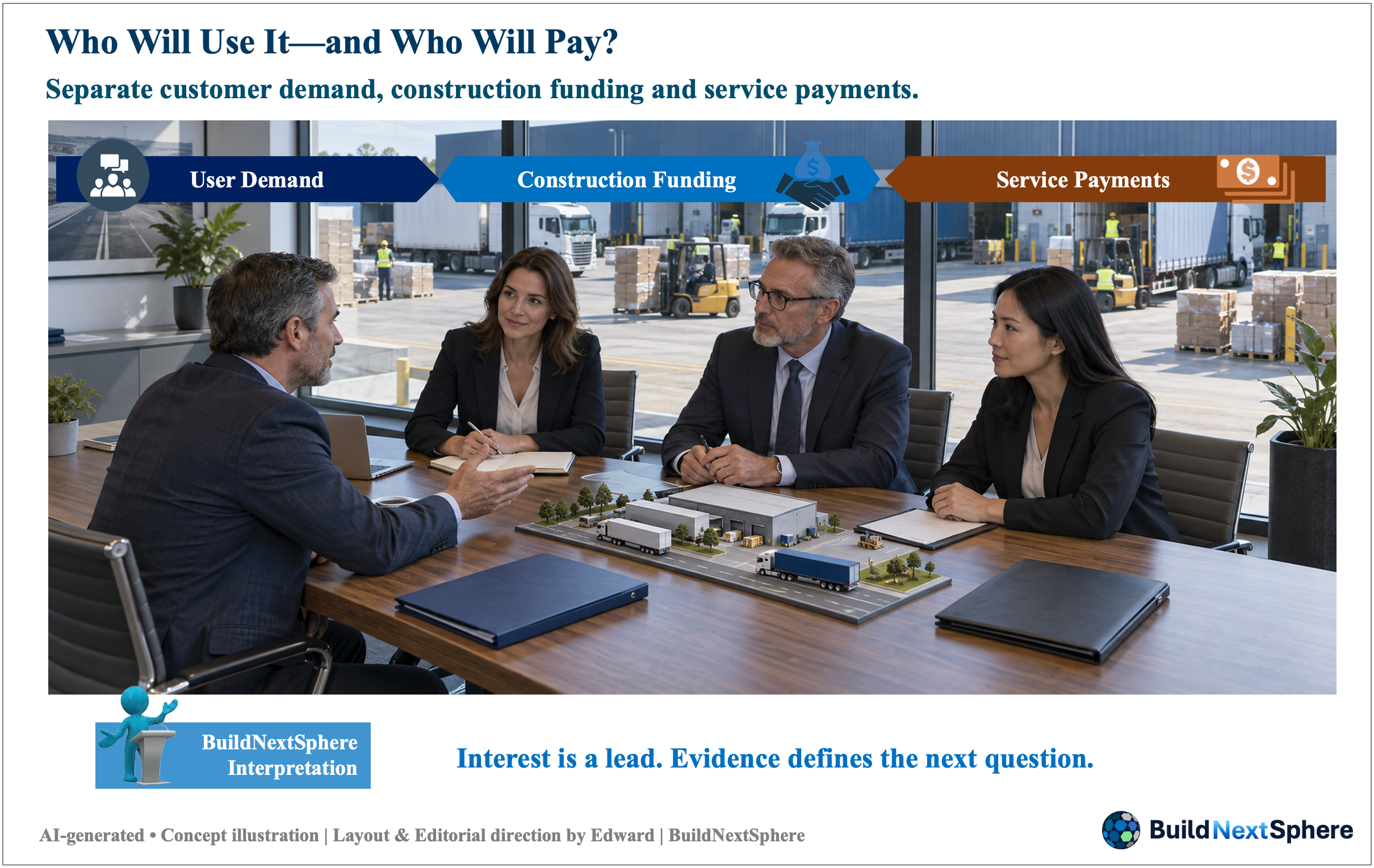
Figure 3. Who Will Use It—and Who Will Pay?
Source: AI-generated concept illustration; layout and editorial direction by Edward Kim | BuildNextSphere.
Note: A hypothetical discussion separating user demand, construction funding and service payments. The bands identify distinct but related questions, not a confirmed flow of money. Visible activity and financial symbols do not establish committed demand, signed agreements or secured funds.
Question one is about users, not buildings. For the logistics centre, which businesses would move goods through it, along which routes, and at what service level? Existing freight records, conversations with potential users and information on competing facilities could help test the proposition. An expression of interest is a useful lead, but should not be described as committed throughput or a signed customer contract.
The World Bank PPP Resource Center links project definition to the service provided, its end-users and costs across the project’s life. That is a useful starting discipline, even though this guide does not prescribe a PPP delivery model. For our example, ask whether the proposed location solves a user’s problem, rather than assuming national growth will fill every warehouse. Project feasibility guidance
Question two separates a funding story from a payment arrangement. Who is expected to provide construction funds, and what evidence establishes the current status of that support? Who pays for the service once it opens? A press release mentioning a financing partner is not the same record as an executed agreement, and an agreement may still contain conditions that must be met before funds are available.
In the logistics example, identify the proposed payer, the payment trigger and the person who can confirm the supporting documents. If construction payments and future user fees are discussed together, separate them. Record any unresolved currency, timing or collection issue for qualified review rather than guessing its financial effect. This is a document-and-responsibility check; it is not a profitability calculation or a finding that funding is secured.
03. Ask what allows delivery to happen
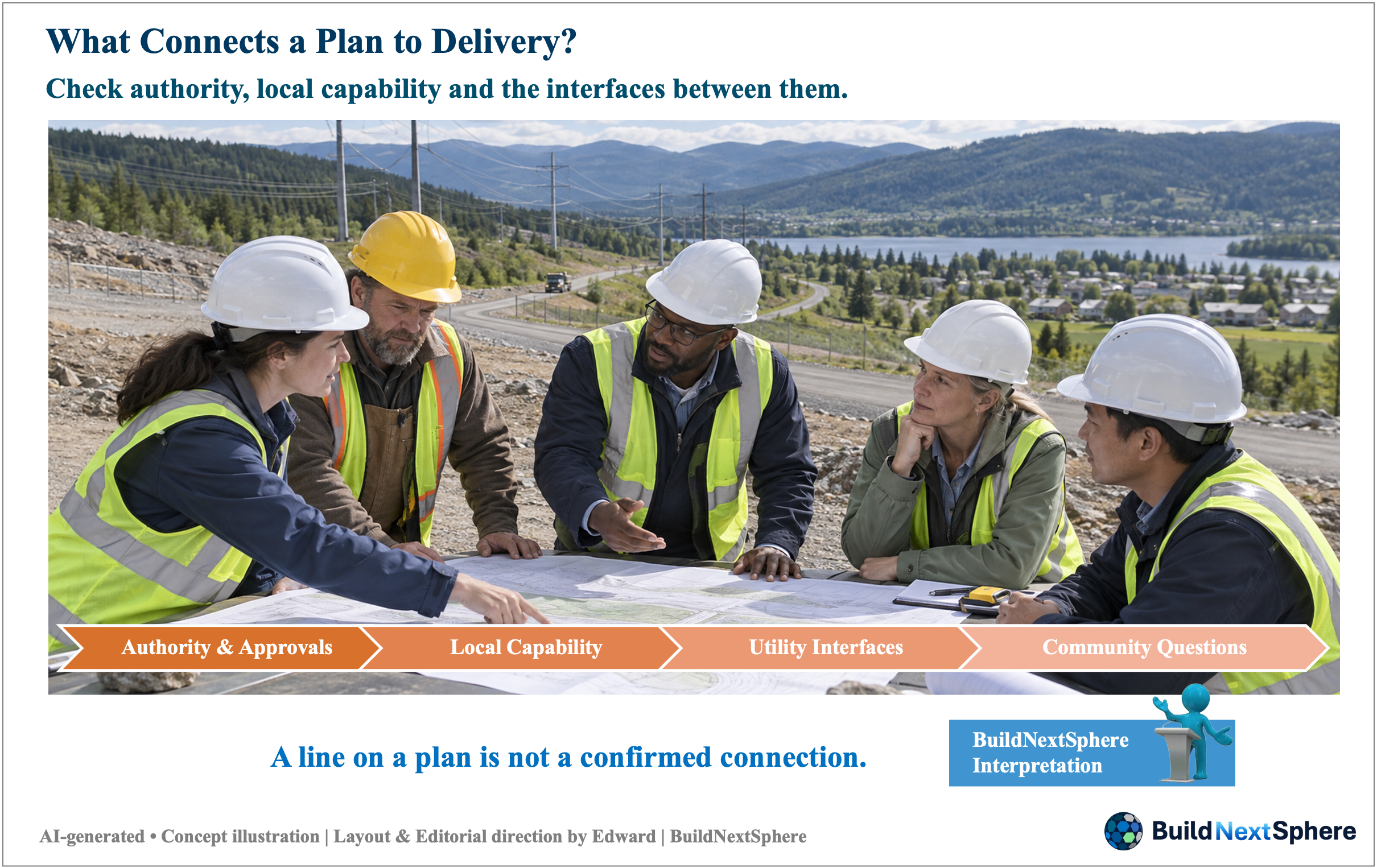
Figure 4. What Connects a Plan to Delivery?
Source: AI-generated concept illustration; layout and editorial direction by Edward Kim | BuildNextSphere.
Note: A hypothetical coordination scene. The four linked topics identify interdependent matters to investigate, not a fixed approval sequence. A plan or meeting does not confirm authorisation, local capacity, utility availability or resolution of community concerns.
Question three concerns authority and approvals. In our example, a site shown on a map does not tell the team whether access to that land, environmental review or the highway connection has been resolved. Ask which body decides each issue, what document records the decision, and what remains conditional. A meeting with a supportive official is not a substitute for checking the applicable process.
This is not a judgement about national character or institutional quality. Requirements differ by jurisdiction and project, so the next step is to obtain current information from the responsible authority and appropriate local advisers. Community concerns also belong in the enquiry: truck movements, noise or access changes may affect people who will not use the centre. Record their questions instead of treating formal approval as proof that every impact is settled.
Question four turns to local delivery capability. Which suppliers, contractors and workers could perform the required scope, and what evidence supports that assessment? Look at comparable assignments, actual availability and interfaces between teams. A company profile is a starting point, not confirmation of capacity for this schedule. Imported equipment also raises practical questions about transport, installation, training and later technical support.
The public client’s capacity matters too. World Bank guidance identifies the procuring authority’s ability to manage preparation, tendering and the contract as a distinct appraisal concern. For the hypothetical centre, name the team that will coordinate utility connections and resolve design interfaces. Power and water should be checked for the required capacity and availability, not simply counted as lines on a layout. Management-capacity guidance
04. Ask what happens after handover
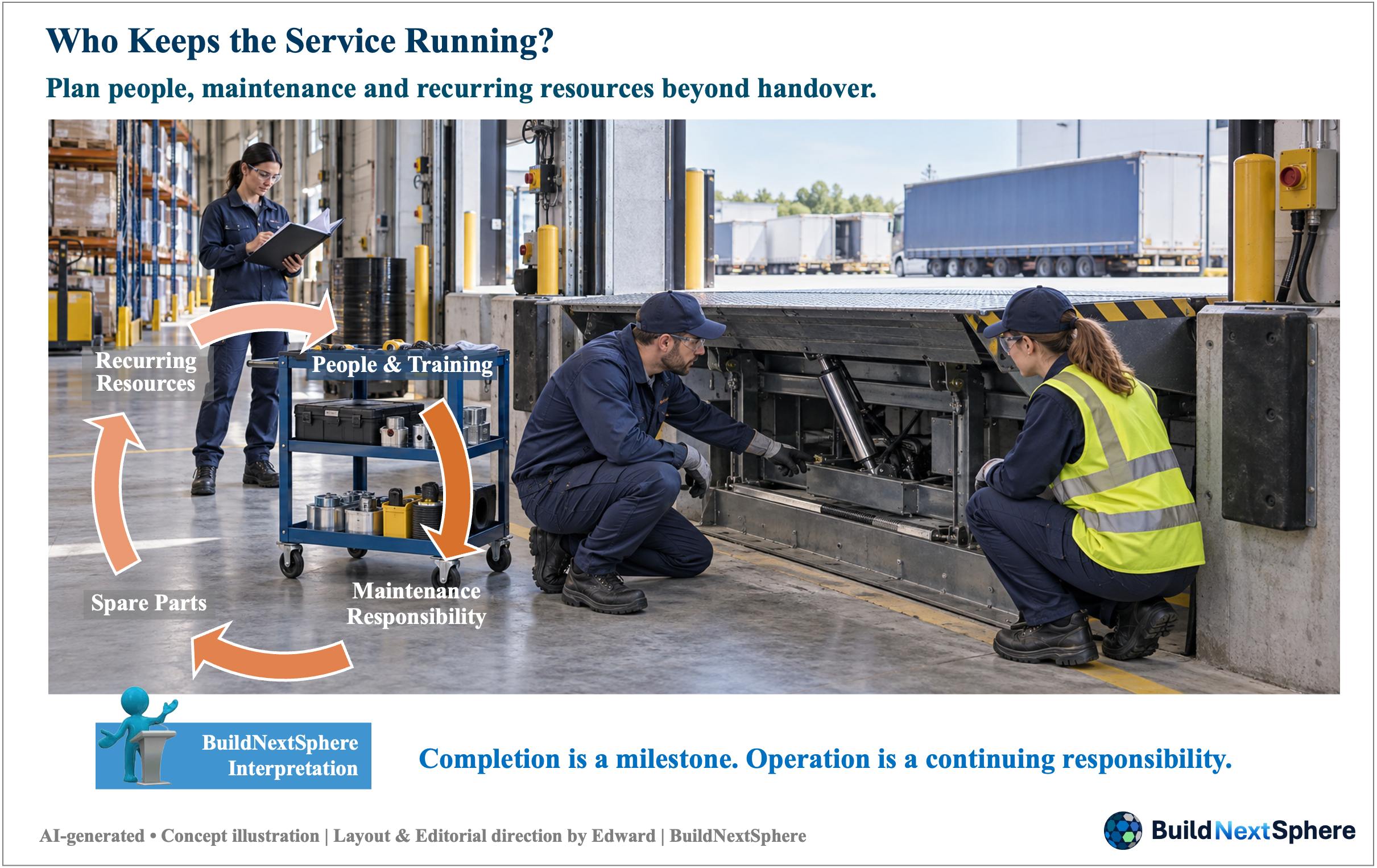
Figure 5. Who Keeps the Service Running?
Source: AI-generated concept illustration; layout and editorial direction by Edward Kim | BuildNextSphere.
Note: A hypothetical maintenance scene. The circular arrows link continuing needs for people, maintenance responsibility, spare parts and recurring resources; they are not a prescribed work sequence. The illustration is neither evidence of an actual failure nor a technical maintenance or safety procedure.
Question five begins where a completion photograph stops. Who will operate the centre, maintain its equipment and respond when services fail? Ask about staffing, training, spare parts, routine maintenance and the resources needed to keep these arrangements working. A building may be ready for handover while an operator still has unanswered questions. Neither condition should be inferred from the other.
The World Bank’s quality-infrastructure guidance considers construction together with operation and maintenance costs across an asset’s life. For our example, translate that principle into a simple request: show who owns the operating plan and how recurring needs will be reviewed and resourced. Do not assume the construction budget also covers every future service obligation. Life-cycle perspective
Consider a possible opening-day problem: a key loading component needs replacement, but the service contract does not clearly identify the responder. This invented situation is not evidence of failure in any market. It makes the question concrete: where are maintenance responsibility, response arrangements and resources recorded? Clarifying that dependency before opening is different from merely adding another asset to the plan.
05. Use a five-question evidence card
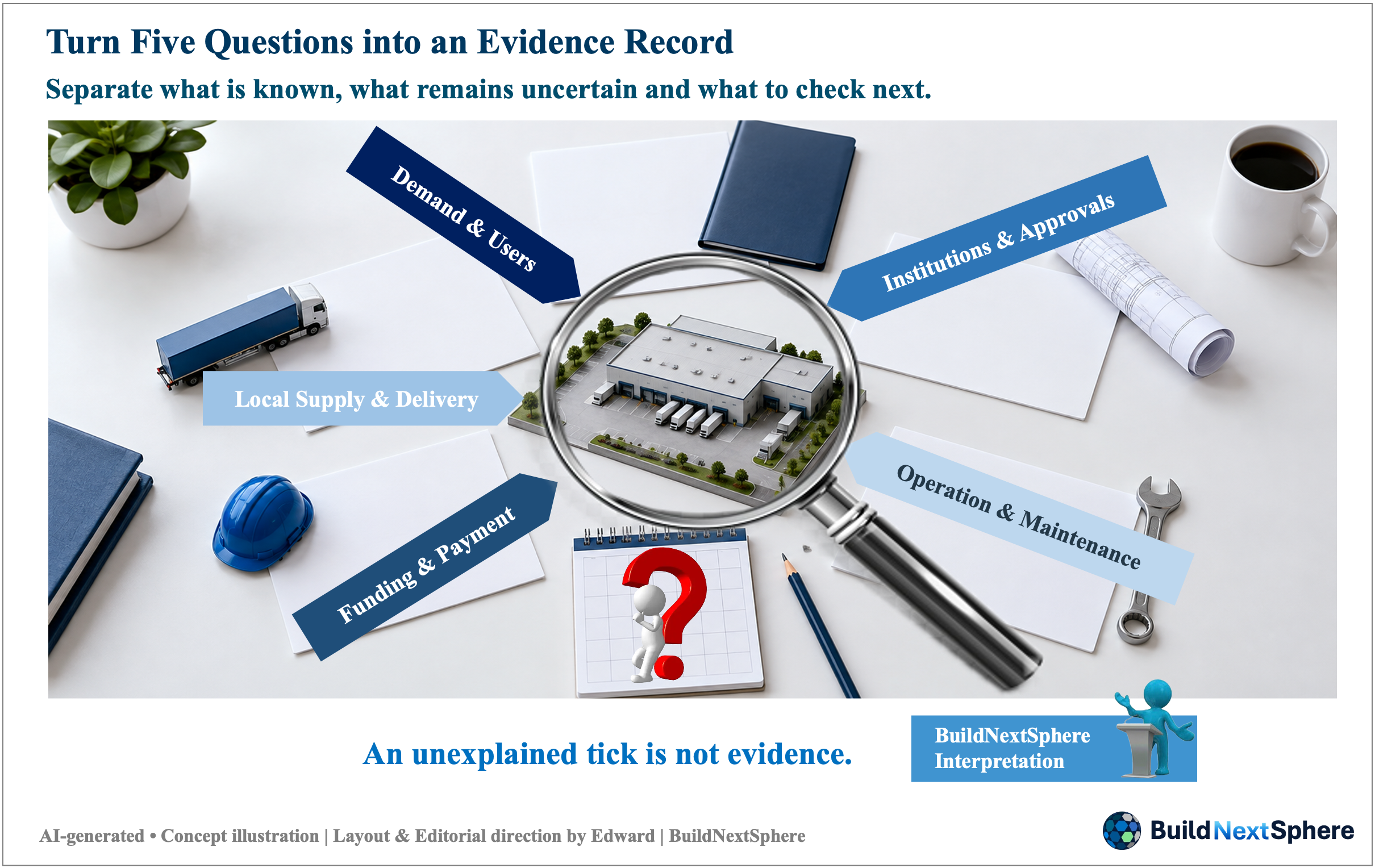
Figure 6. Turn Five Questions into an Evidence Record
Source: AI-generated concept illustration; layout and editorial direction by Edward Kim | BuildNextSphere.
Note: The five labelled topics are connected enquiry questions, not sequential stages, equally weighted criteria or an approval score. The magnifying glass and question mark symbolise evidence review and unresolved questions. This editorial aid is not a validated appraisal method.
Bring the questions together on one card. Choose one proposal and record its name, location, service scope, stated stage and review date. For each question, distinguish an available document or observation from an assumption. Then identify one unresolved point, the next evidence needed and the person responsible for obtaining it. A source title and date are more useful than an unexplained tick.
For the hypothetical logistics centre, an entry might read: “A utility corridor appears in the concept drawing; connection capacity and availability date remain unconfirmed.” The next action is to obtain the provider’s written response against the stated requirement, with the project’s utility coordinator owning the enquiry. That record is more precise than calling the site either ready or impossible.
The card below is an editorial working aid, not a validated methodology. Its rows do not have equal weights, and five completed rows do not constitute approval. One unresolved dependency may matter more than several positive entries. Use the card to organise the next investigation and update it when evidence changes; retain previous dates so that an old answer is not mistaken for a current one.
Emerging-market initial enquiry card
All entries below are hypothetical logistics-centre examples. Owners are role examples, not assigned people; name an actual responsible person when using the card.
1. Demand and users
Question: Who would use the service, and why this location?
Evidence to seek: Dated freight/user study and interview records.
Unknown: Whether interested firms would use the proposed service at its stated terms.
Next check / owner: Test the assumptions with prospective users; market-study lead.
2. Funding and payment
Question: Who provides funds and who pays, under which conditions?
Evidence to seek: Current funding documents and proposed payment terms.
Unknown: Conditions still outstanding; construction payments versus service revenues.
Next check / owner: Confirm document status with authorised parties; finance/commercial lead.
3. Institutions and approvals
Question: Who may authorise the land, connections and project activities?
Evidence to seek: Applicable requirements, decisions and conditions.
Unknown: Outstanding approvals and their dependencies.
Next check / owner: Confirm with the responsible authority and local advisers; approvals coordinator.
4. Local supply and delivery
Question: Who can perform and support the required work?
Evidence to seek: Comparable work, availability, supply arrangements and utility responses.
Unknown: Actual resource availability and confirmed power/water capacity.
Next check / owner: Verify scope-specific capability and interfaces; delivery lead with utility coordinator.
5. Operation and maintenance
Question: Who keeps the service running after handover?
Evidence to seek: Operator responsibilities, staffing and maintenance/resource plans.
Unknown: Recurring resources and responsibility for equipment response.
Next check / owner: Review the arrangements with the intended operator; operations lead.
Common record fields: project name / location / service scope / announced and confirmed stage / review date / source title, publication date and verification date / fact, observation or assumption / unresolved question / next evidence / named owner / due date / update history.
06. Read the next market study with sharper questions

Figure 7. What Would You Check Next?
Source: AI-generated concept illustration; layout and editorial direction by Edward Kim | BuildNextSphere.
Note: A hypothetical follow-up review linking one evidence gap with a person who can clarify it and a review date. The prompts organise the next enquiry; they do not replace case-specific professional review or constitute an investment recommendation or project approval.
A country study becomes more useful when it answers a specific unresolved question. If the issue is customer demand, seek relevant sector and user evidence. If it is authority, investigate the applicable institutional process. If it is operation, look for the actual service provider and its arrangements. Regional growth comparisons may provide context, but they cannot answer every project-level question.
Before any commercial decision, this initial review must give way to the technical, legal, environmental, social and financial work appropriate to the case. The purpose here is narrower: make the next request for evidence specific enough that someone can act on it. Keep national-level observations separate from project documents, and distinguish what is announced, agreed, available and operating.
Choose one opportunity you are currently reading about. Which of the five questions has the weakest evidence? Write that gap as a question, name who can clarify it and decide when to revisit the answer. Reading an emerging market well starts neither with automatic optimism nor automatic rejection. It starts with a clearer account of what is known, what remains uncertain and what must connect next.
Sources
World Bank PPP Resource Center — Assessing Project Feasibility and Economic Viability. Referenced in section 02 for project definition and end-users.
World Bank PPP Resource Center — Assessing the Ability to Manage the Project. Referenced in section 03 for the public client's management capability.
World Bank QII Partnership — QII.2 Principle in action. Referenced in section 04 for construction, operation and maintenance over the asset life cycle. Sources accessed 29 September 2026.
Basis of This Article
This article combines the cited institutional guidance with an editorial set of initial enquiry questions. The logistics centre, its potential problems and all card entries are hypothetical; they are not Edward Kim's disclosed project history or findings about a country. The five-question card is not independently validated, a readiness score, a due-diligence substitute or investment advice. PPP sources inform limited principles here, not a recommendation to adopt PPP procurement.
Related Reading
Explore more from BuildNextSphere:
Read the full article on BuildNextSphere
BuildNextSphere
BuildNextSphere connects Development, Technology & Project Intelligence through practical, experience-informed content.
Explore BuildNextSphere’s development direction and discover more insights through the channels below.
- BuildNextSphere Website
- English Blog | BuildNextSphere Insights
- LinkedIn | Edward Kim
- YouTube Channel
About the Author
Edward Kim is the Founder of BuildNextSphere. He draws on his experience with overseas construction projects to share practical insights from field operations, project delivery, and IT-enabled working systems. Through BuildNextSphere, he explores how people, technology, and real project conditions can help turn plans into action and support better project outcomes.
Content & IP Notice
This article and related materials are prepared by BuildNextSphere. Unless otherwise stated, the original structure, wording, diagrams and visual materials are the intellectual property of BuildNextSphere and Edward Kim. BuildNextSphere, its logo, tagline and brand assets are part of the BuildNextSphere brand identity. Unauthorised reproduction, modification, redistribution or commercial use is not permitted without prior written consent. Third-party names, technologies and references remain the property of their respective owners. General management principles are not claimed as proprietary inventions.


Great piece!
ReplyDelete