From Project Plans to Field Decisions
What a tunnel-hauling experience reveals about coordination, evidence and performance.
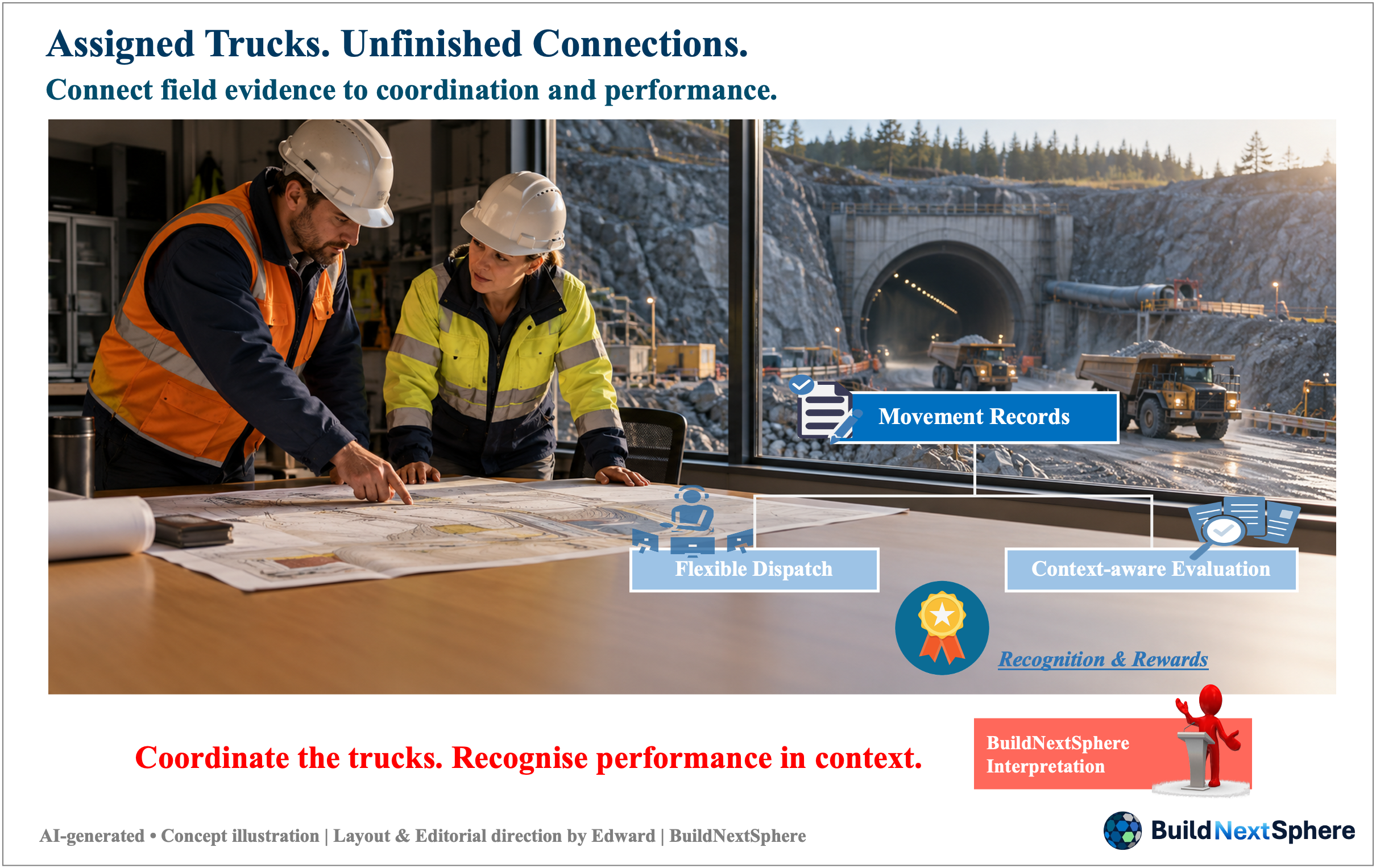
Figure 1. Assigned Trucks. Unfinished Connections.
Source: AI-generated concept illustration; layout and editorial direction by Edward Kim | BuildNextSphere.
Note: An illustrative scene inspired by an anonymised field account, not a photograph or reconstruction of the project. The diagram branches represent two linked management responses, not sequential stages or verified independent effects.
01. Trucks are assigned, yet work still waits
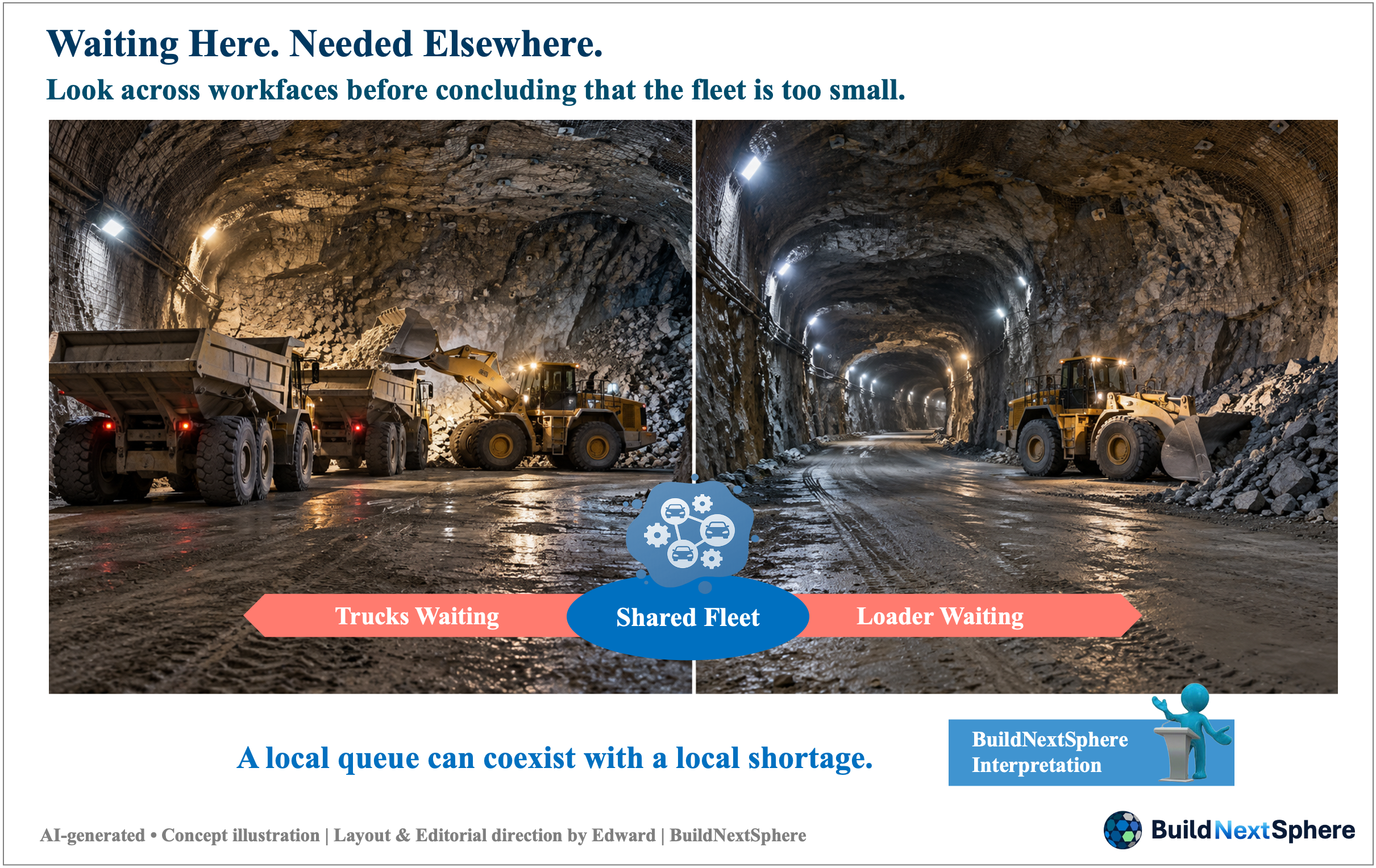
Figure 2. Waiting Here. Needed Elsewhere.
Source: AI-generated concept illustration; layout and editorial direction by Edward Kim | BuildNextSphere.
Note: The two views illustrate simultaneous differences between workfaces, not a measured before-and-after comparison. Vehicle numbers, geometry and equipment positions are illustrative and do not reproduce the project.
A resource plan can look complete while work still waits. Trucks have been assigned, operators are on duty, and excavation is under way. Yet a queue at one workface may coexist with an idle loader at another. Before concluding that the schedule is wrong or that more equipment is needed, ask a narrower question: how does the allocation become a workable decision as conditions change?
I encountered this problem on an underground storage construction project in India. Many tunnels were operating within a round-the-clock excavation programme. Wheel loaders loaded excavated rock into dump trucks, which transported it to a disposal area. Mucking—the removal of excavated rock—was one of the time-consuming activities that needed close management on this project. The challenge was not simply to keep every truck assigned to a tunnel.
Some tunnels had trucks waiting to be loaded; elsewhere, loaders waited for trucks. This contrast made the connection between planning and execution visible. The account that follows is my recollection of a management response, with identifying details withheld. It is not an independently audited productivity study, nor evidence that a particular scheduling method had failed.
02. Allocation is not the same as availability

Figure 3. A Fleet Total Is Not a Workface Answer.
Source: AI-generated concept illustration; layout and editorial direction by Edward Kim | BuildNextSphere.
Note: The relationship diagram is an editorial explanation of conditions to examine, not a dispatch algorithm, an actual project layout or proof that the fleet was sufficient.
Fixed assignments provide a clear starting arrangement, but they do not by themselves match capacity to changing demand. Across multiple tunnels, excavation cycles did not create the same hauling requirement at the same moment. A vehicle attached to one tunnel could be waiting while another workface needed it. In this setting, the fleet total was an incomplete description of the resources that could actually support a particular operation.
The useful distinction is between a planning assumption and an execution condition. The assumption was that allocated trucks would support the hauling requirement. The conditions included where hauling was needed, the distance involved and whether equipment was available to work. This does not prove that the overall fleet was sufficient. It identifies a coordination issue to examine before treating every local shortage as a procurement problem.
A schedule remains useful, but a statement of intended work does not explain every interruption at the workface. Someone must connect changing conditions to an operational decision. The next question is therefore not just 'What was planned?' It is 'What can we observe, and who can act on it?'
03. Make movement visible before judging performance
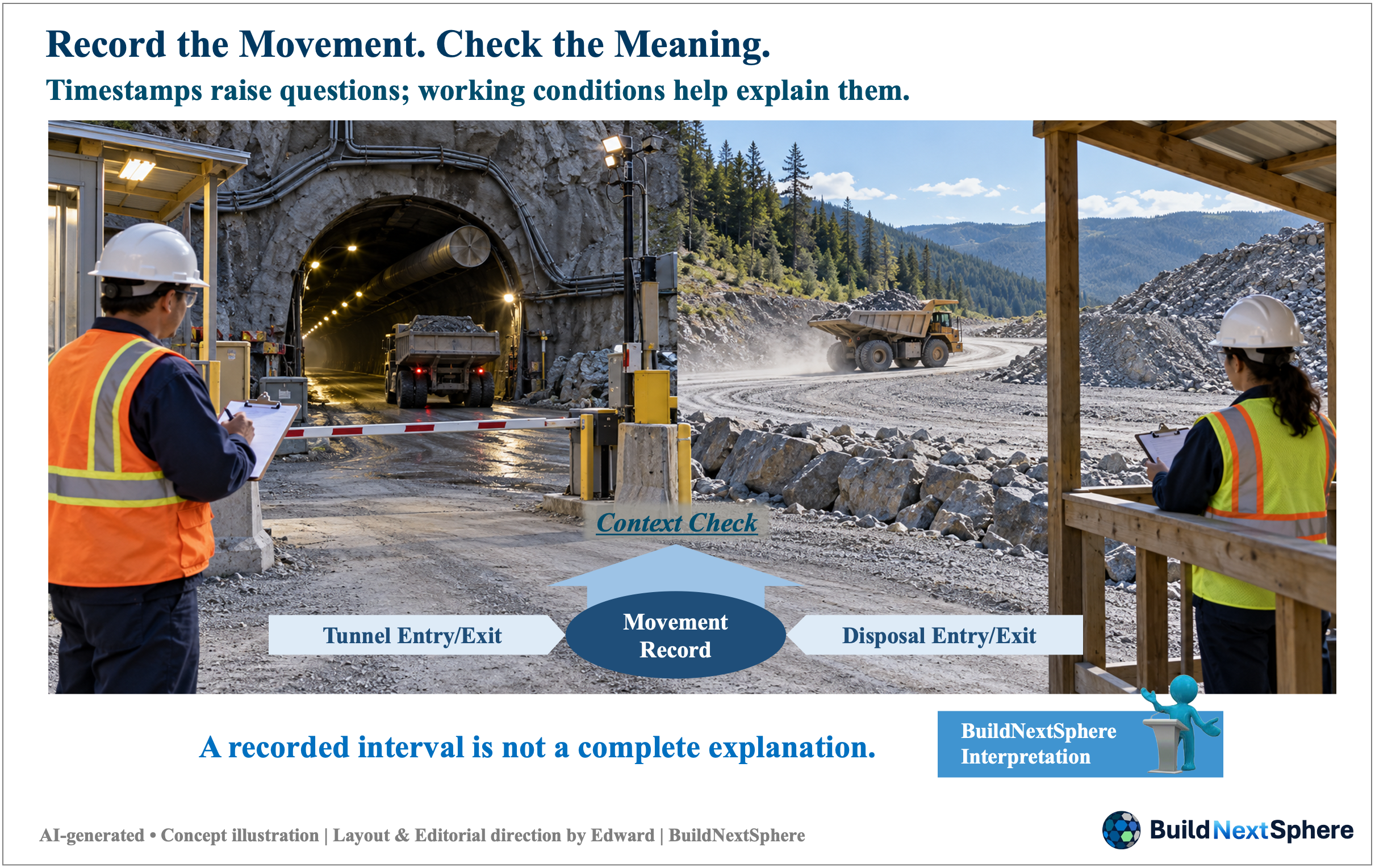
Figure 4. Record the Movement. Check the Meaning.
Source: AI-generated concept illustration; layout and editorial direction by Edward Kim | BuildNextSphere.
Note: The scene represents recording locations described in the author’s account; the people and layout are fictional. Movement logs alone do not establish delay causes or supply every operating indicator used in evaluation.
Supervisors were stationed at tunnel entrances and at the muck disposal area to record vehicle entry and exit times. These records made vehicle movement available for review instead of leaving the discussion entirely to impressions. Recording an event, however, is not the same as explaining it. A long interval may raise a question about a journey or waiting period; it does not, on its own, establish why that interval occurred.
The performance review also considered trip counts, equipment breakdowns, fuel and tyre consumption, and working hours. These were operating indicators, not all quantities derived from entry and exit times. The detailed collection methods and weighting formula are not reproduced here. What I can confirm is that haul distance and equipment breakdowns were considered when evaluating operators, rather than relying on a simple trip-count ranking.
For a reader facing a similar problem, the practical lesson is to separate observation from judgement. Fewer trips can reflect different working conditions as well as individual performance. A fairer discussion starts by checking those conditions and the limits of the record. The purpose is to make a management decision better informed, not to turn an incomplete log into an automatic judgement about a person.
04. Combine flexible dispatch with context-aware performance evaluation
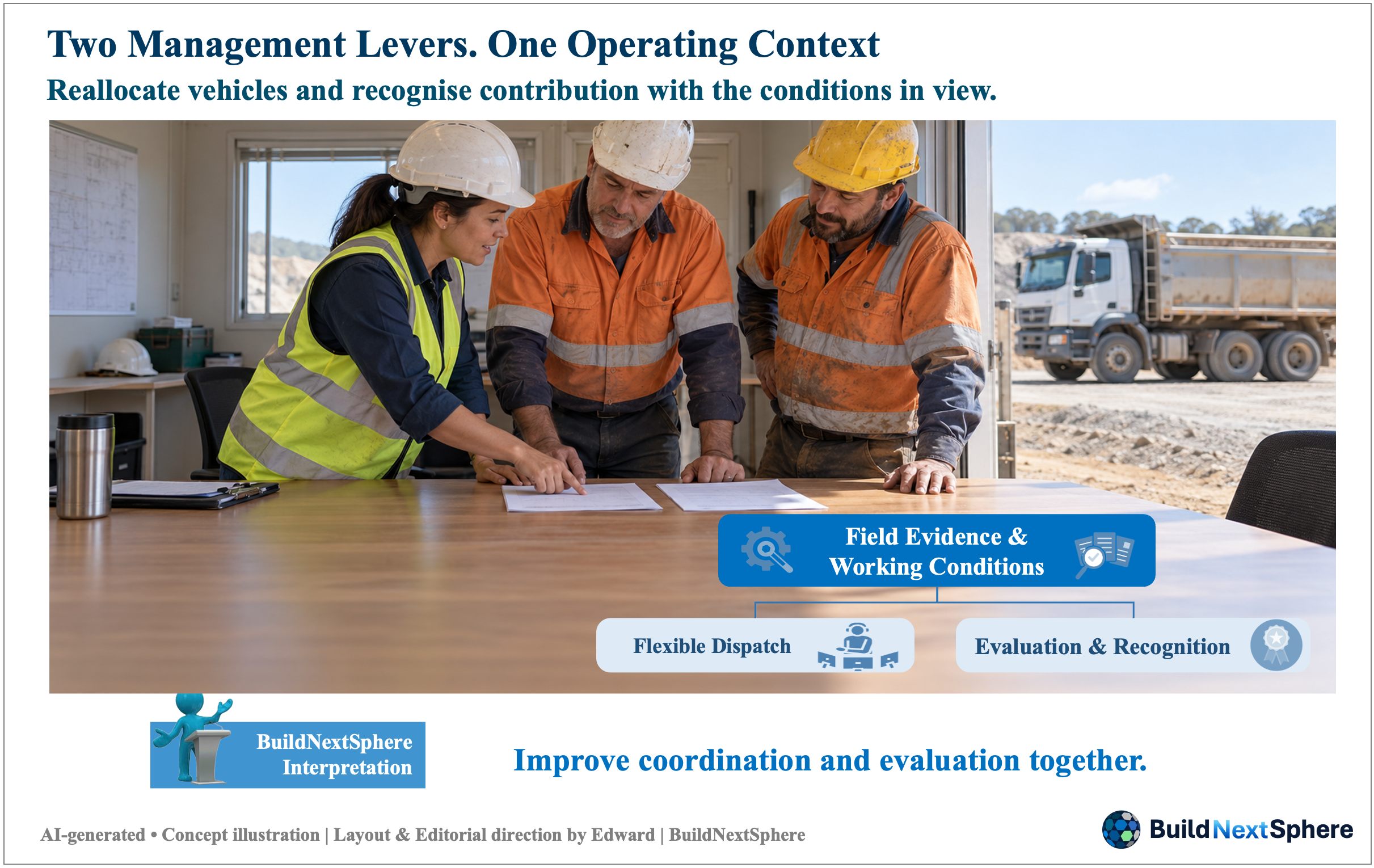
Figure 5. Two Management Levers. One Operating Context.
Source: AI-generated concept illustration; layout and editorial direction by Edward Kim | BuildNextSphere.
Note: Field evidence and working conditions provide a shared context for flexible dispatch and evaluation and recognition. The two management responses are shown in parallel, not as sequential stages. The illustration does not isolate their effects, present a verified assessment formula or prescribe individual employment decisions.
The response had two linked parts. First, the operation moved away from fixed tunnel-by-tunnel truck assignments towards flexible allocation by a dedicated coordinator, responding to conditions across the tunnels. This changed who connected available vehicles to the work that needed them. It was an operational management arrangement, not a claim that an automated optimiser or a real-time tracking platform had been installed.
Second, operator performance evaluation and recognition were tied to the operating evidence, with attention to differences such as haul distance and equipment breakdowns. Good performance was recognised and rewarded. This addressed participation and behaviour alongside vehicle coordination. The two changes should be read together: one concerned how resources were allocated, while the other concerned how contribution was assessed and encouraged.
I observed operators becoming more proactive in looking for hauling work within the coordinated operation. This is not a recommendation for drivers to choose workfaces independently or to maximise trips regardless of conditions. In applying the idea elsewhere, coordination, safe working requirements and appropriate evaluation criteria must remain connected. The lesson is not 'reward the largest number'; it is 'connect allocation and evaluation to the work that actually needs to be done.'
05. Connect the case to a plan-to-action reading sheet
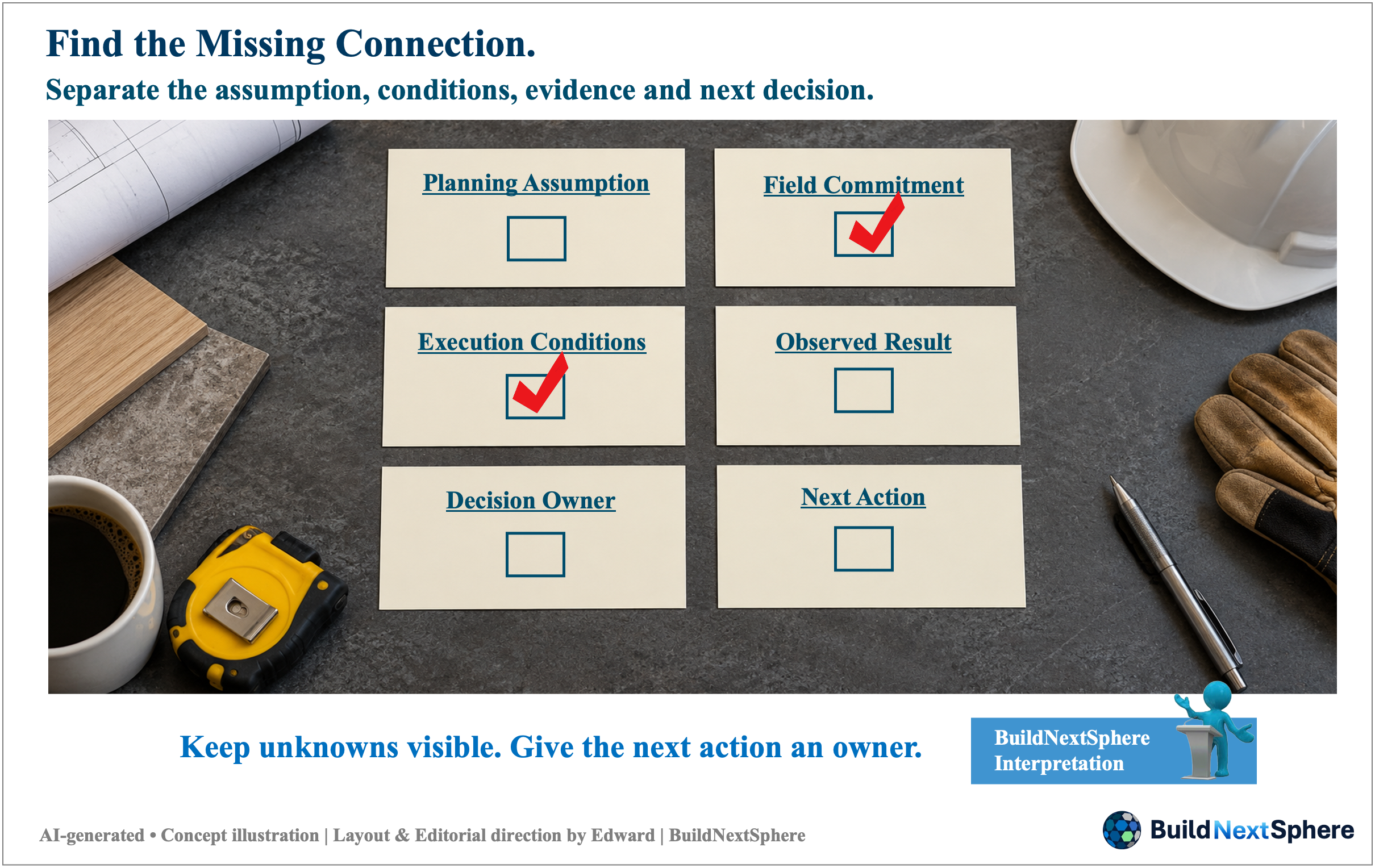
Figure 6. Find the Missing Connection.
Source: AI-generated concept illustration; layout and editorial direction by Edward Kim | BuildNextSphere.
Note: The six fields are connected editorial questions, not sequential gates, a validated score or the project’s original form. The check marks are illustrative and do not indicate verified completion or approval on the actual project; unchecked boxes do not establish actual deficiencies. Any unknown historical procedure remains unspecified. The illustration is not an operating or safety instruction.
A practical way to examine another situation is to write down six connected questions. The reading sheet below is an editorial aid developed for this article, not the original project form or a validated scoring model. It separates the plan from what was observed and from the person authorised to respond. An unanswered field should remain visible rather than being filled with a confident assumption.
This distinction also has a wider practice context. The Lean Construction Institute describes the Last Planner System in terms of preparing workable conditions, making commitments, reviewing what happened and learning. That reference helps frame the questions; it does not establish that this project used the system or validate the results of this case. LCI — Last Planner System
Plan-to-action reading sheet
Planning assumption: Will the allocated trucks meet the hauling need? Check the workface and time period covered; a fleet total alone is not enough.
Field commitment: Who agrees to supply vehicles to the work that needs them? The historical commitment procedure is not specified in this account; do not invent one.
Execution conditions: What changes the assignment's practicality? Consider tunnel work status, haul distance and equipment condition; identify what remains unknown.
Observed result: What does the evidence show? Compare the reported waiting imbalance with movement records and other operating information; separate events from explanations.
Decision owner: Who can change the allocation? The case identifies a dedicated dispatch coordinator; authority for evaluation decisions should also be clear in any new application.
Next action: Connect flexible dispatch and condition-aware evaluation and recognition. Specify what to check afterwards, without presenting this proposed review as a recorded historical procedure.
06. Observe improvement without overstating the cause

Figure 7. Better Questions Before Bigger Claims.
Source: AI-generated concept illustration; layout and editorial direction by Edward Kim | BuildNextSphere.
Note: The article describes observed changes without presenting an improvement rate or establishing the independent effects of individual measures. Flexible dispatch and condition-aware evaluation and recognition were introduced together. Observed Change, Evidence Limits and Next Check are connected review perspectives, not sequential stages or confirmation that a check has been completed.
From my field perspective, participation became more active, productivity improved and overall operating performance became stronger. These are qualitative observations. The account does not establish an improvement percentage, a cost saving or a reduction in project duration. Because dispatch and performance recognition changed together, their separate effects cannot be isolated from this recollection.
The value of the case is more specific than a success formula. A visible resource allocation was not enough; field records had to become decisions about both coordination and performance. Nor did collecting more data automatically make those decisions. A responsible person, an understanding of working conditions and a way to recognise contribution were part of the management response.
Choose one activity that is waiting despite appearing ready on the plan. What assumption is being tested? Which record would help explain the gap? Who can decide the next action? Start there, before prescribing a new system or blaming an individual. Connecting a plan to execution begins with making one operational relationship clear enough to investigate and act on.
Sources
Lean Construction Institute — Last Planner System. Accessed 30 September 2026. Used only for the conceptual discussion in section 05, not as evidence of project methods or outcomes.
Basis of This Article
This article combines Edward Kim’s anonymised recollection of an underground storage construction project in India, the cited conceptual reference and an editorial reading sheet. The recollection has not been independently checked against project records. Illustrations in this article are explanatory concepts, not site photographs or measured results. The reading sheet is not a validated assessment, a safety procedure or an instruction to change site controls.
Read the full article on BuildNextSphere
Related Reading
- When Projects Don’t Go to Plan: What Are We Missing?
- Smart Construction, More Tools—Why Is the Site Still So Busy?
- BIM vs Digital Twin
- Why Doesn’t Better Technology Always Deliver Better Construction Results?
BuildNextSphere
BuildNextSphere connects Development, Technology & Project Intelligence through practical, experience-informed content.
Explore BuildNextSphere’s development direction and discover more insights through the channels below.
- BuildNextSphere Website
- English Blog | BuildNextSphere Insights
- LinkedIn | Edward Kim
- YouTube Channel
About the Author
Edward Kim is the Founder of BuildNextSphere. He draws on his experience with overseas construction projects to share practical insights from field operations, project delivery, and IT-enabled working systems. Through BuildNextSphere, he explores how people, technology, and real project conditions can help turn plans into action and support better project outcomes.
Content & IP Notice
This article and related materials are prepared by BuildNextSphere. Unless otherwise stated, the original structure, wording, diagrams and visual materials are the intellectual property of BuildNextSphere and Edward Kim. BuildNextSphere, its logo, tagline and brand assets are part of the BuildNextSphere brand identity. Unauthorised reproduction, modification, redistribution or commercial use is not permitted without prior written consent. Third-party names, technologies and references remain the property of their respective owners. General management principles are not claimed as proprietary inventions.


Comments
Post a Comment